


Zeal 8-Bit Computer (Z80 based)
$99.00
Zeal 8-bit Computer is a modern 8-bit computer based on a Z80 CPU. It is not an emulation, nor MCU-based.
Quick RFQ
The Zeal 8-bit Computer is a modern, minimalistic, hobbyist computer built around the classic Z80 microprocessor. The Z80, first introduced in 1976 by Zilog, was one of the most popular 8-bit CPUs used in early home computers and embedded systems. The Zeal 8-bit Computer typically re-implements the Z80 architecture, offering a hands-on learning experience for enthusiasts interested in low-level programming, retro computing, or hardware design.
Specifications
1. Central Processing Unit (CPU)
- Model: Zilog Z80
- Architecture: 8-bit
- Clock Speed: 2 MHz to 20 MHz (typically 4 MHz or 8 MHz)
- Address Bus: 16-bit (capable of addressing 64 KB memory)
- Data Bus: 8-bit
2. Memory
- RAM: 16 KB, 32 KB, or 64 KB (configurable based on the build)
- ROM/EEPROM: 8 KB to 32 KB (usually containing a monitor program or bootloader)
- Often preloaded with a simple operating system or program loader (like CP/M or BASIC interpreter)
3. Input/Output (I/O)
- GPIO Pins: Available for interfacing with external hardware (number and type vary by build)
- Serial Communication: RS-232 or USB-to-serial for interfacing with other devices
- Can be used for programming, loading software, and communication with a PC
- Peripheral Support: Memory-mapped I/O for peripherals such as:
- Keyboards
- Displays (LCD, VGA, or other simple video output)
- Storage devices (SD card reader, or parallel storage)
- Bus Interface: Expansion headers for additional I/O components or custom circuits
4. Display and Input
- Display: Optional, usually text-based using:
- Small LCD screen
- VGA/Composite output for retro-style display (optional)
- Input: Typically includes:
- Keypad or Keyboard for input
- Optionally, serial input via a terminal
5. Power Supply
- Power Source: 5V DC or 3.3V DC, depending on the design
- Current Requirements: Typically under 500 mA, depending on peripherals
6. Operating System
- Monitor Program: Simple ROM-based monitor for basic interaction (loading programs, running code)
- Supported OS:
- CP/M (Control Program for Microcomputers): Classic OS for Z80 systems
- BASIC Interpreter: For easy programming directly on the machine
- Custom minimal operating systems or bootloaders
7. Storage
- External Storage:
- SD card interface (used to load programs or store data)
- Other parallel storage options depend on the build
- Boot Method: Programs loaded from ROM, serial interface, or external storage like SD cards
8. Expandability
- Expansion Ports: Bus interface allowing additional memory, I/O, or custom circuit boards
- PMOD-style connectors: Commonly used to connect peripherals or other accessories
- User-Designed Modules: GPIO pins allow for custom add-ons and peripherals
9. Programming
- Programming Language:
- Assembly (Z80): The primary low-level language used for programming
- High-level language options include BASIC, C, or other retro programming languages
- Development Tools:
- Cross-compilers (such as z88dk) for modern PC-based development
- Assembler/debugger for on-board programming
10. Physical Characteristics
- Form Factor:
- Custom-built, often a small PCB or breadboard setup
- Case options vary; many are DIY enclosures
- Dimensions: Varies depending on the specific build; typically compact for retro or DIY setups
11. Additional Features
- Audio Output: Optional speaker or buzzer
- LED Indicators: For power, data transfer, or other system statuses
- Timers/Interrupts: Built-in Z80 timers and interrupt handling for system events
| Series | Zeal 8-bit Computer (Z80 based) |
|---|
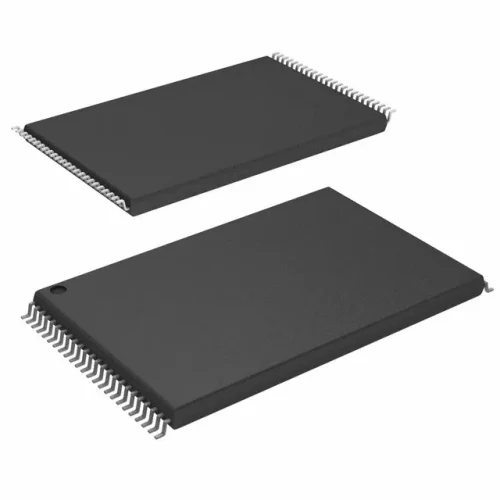
M29W640GT70NA6E TSOP-48
$12.00 Select options This product has multiple variants. The options may be chosen on the product page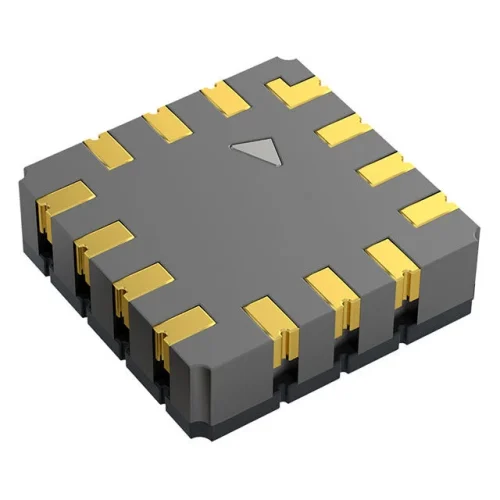
ADXL355BEZ-RL7 LCC-14(6×6)
$171.00 Select options This product has multiple variants. The options may be chosen on the product page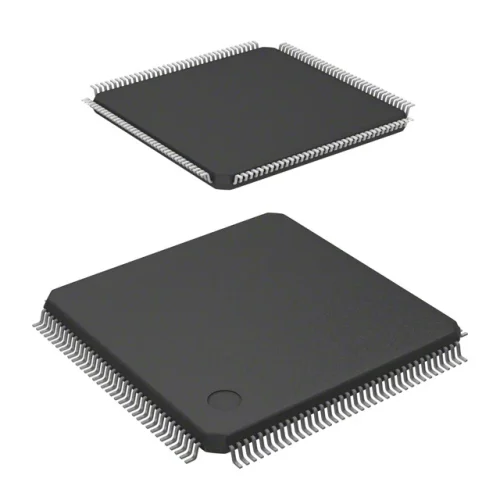
SPC584B70E5EHC0X LQFP-144
$946.00 Select options This product has multiple variants. The options may be chosen on the product page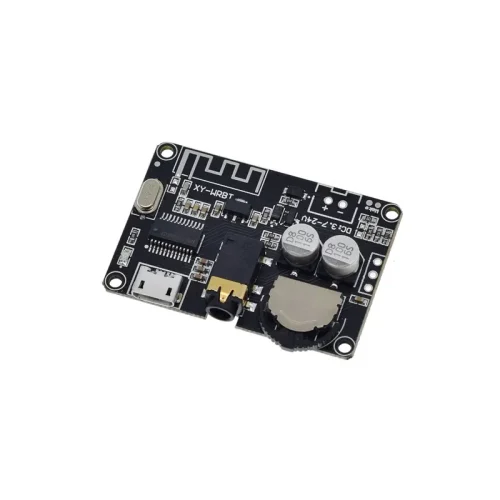
XY-WRBT Stereo Bluetooth Audio Module
$3.00 Select options This product has multiple variants. The options may be chosen on the product pageTMP451HQDQFTQ1 WSON-8(2×2)
$3.00 Select options This product has multiple variants. The options may be chosen on the product page
L3GD20TR LGA-16
$26.00 Select options This product has multiple variants. The options may be chosen on the product page
Related products
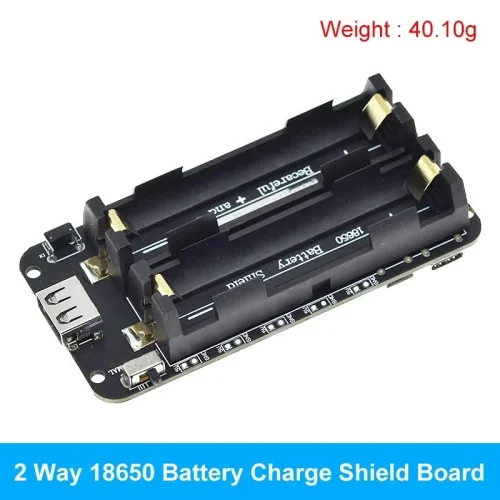
18650 Lithium Battery Shield V8 Mobile Power Expansion Module
$1.73 – $6.05 Select options This product has multiple variants. The options may be chosen on the product page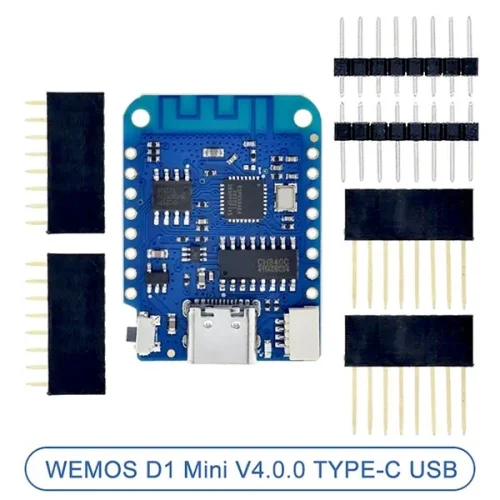
WEMOS D1 Mini V4.0.0 TYPE-C USB WIFI IoT Board
$1.90 Select options This product has multiple variants. The options may be chosen on the product page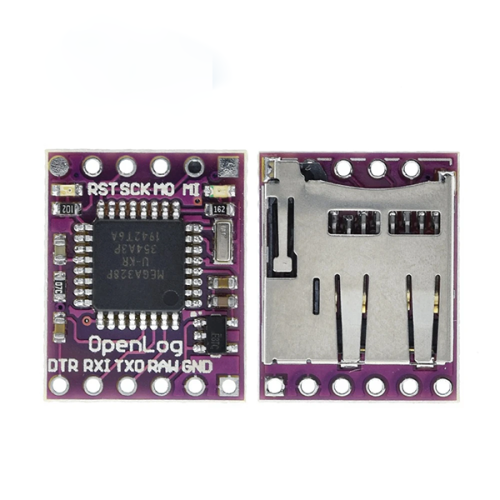
Openlog Serial Data Logger Open Source Data Recorder Naze32 F3 Blackbox ATmega328
$2.51 Select options This product has multiple variants. The options may be chosen on the product page
ESP32-C3 SuperMini – Compact WiFi & Bluetooth Board
$2.55 Select options This product has multiple variants. The options may be chosen on the product page
